
6
games reviewed, each finished before scoring
Small games, taken seriously. Honest playtests, spoiler-free guides and hand-picked artwork from the indie scene — every score argued, every verdict earned.
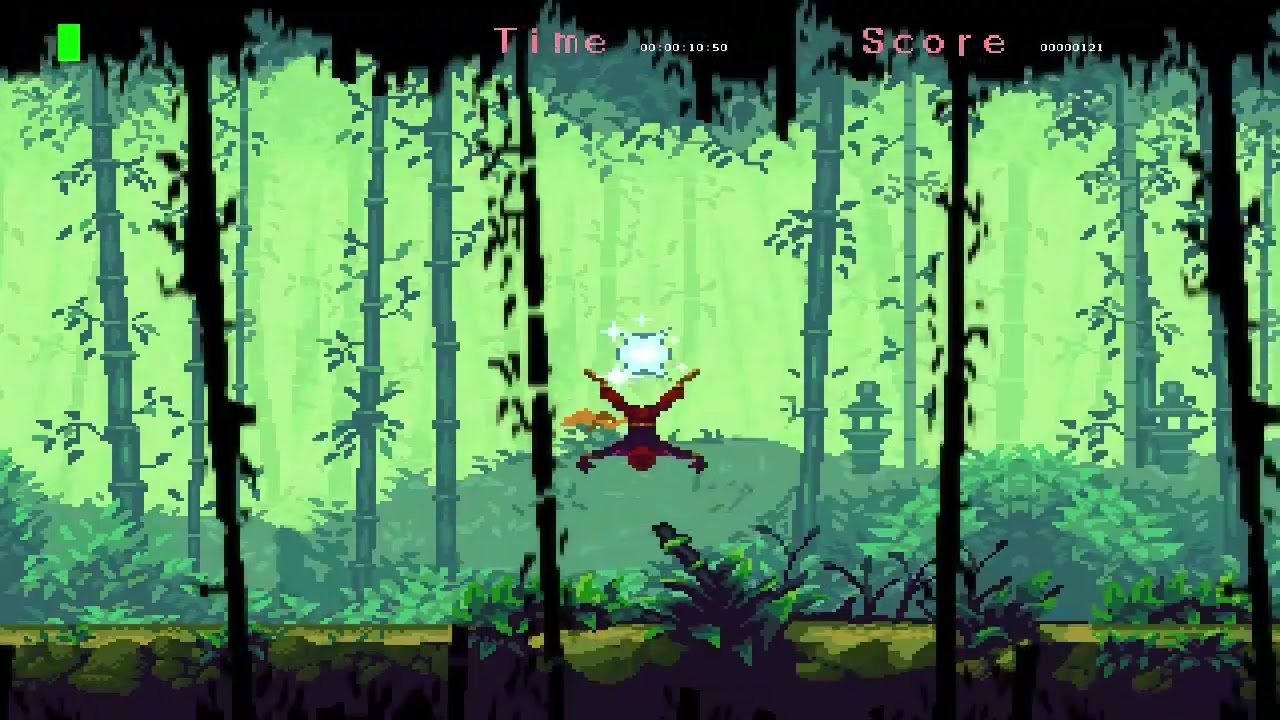
A night-parade adventure that is the shortest game in our archive and the one we have thought about most since finishing it. What you choose to illuminate changes what the city is willing to tell you — and two of those choices still nag at us.
games reviewed, each finished before scoring
hours played across the current archive
average playtest behind one verdict
the ceiling of our score scale — nothing gets called “perfect”
An indie game is a video game built around one clear idea: a small team, a distinct voice, and design that answers to players rather than to monetization charts. Born outside the big-studio system, the scene runs on simple promises — honest rules, fair challenge, respect for your time — and a single hard currency: trust.
At Elvarendritop we review the titles that keep that promise. Every review is written after real playtime, and every score from 1 to 10 is justified in the text — never the other way around.
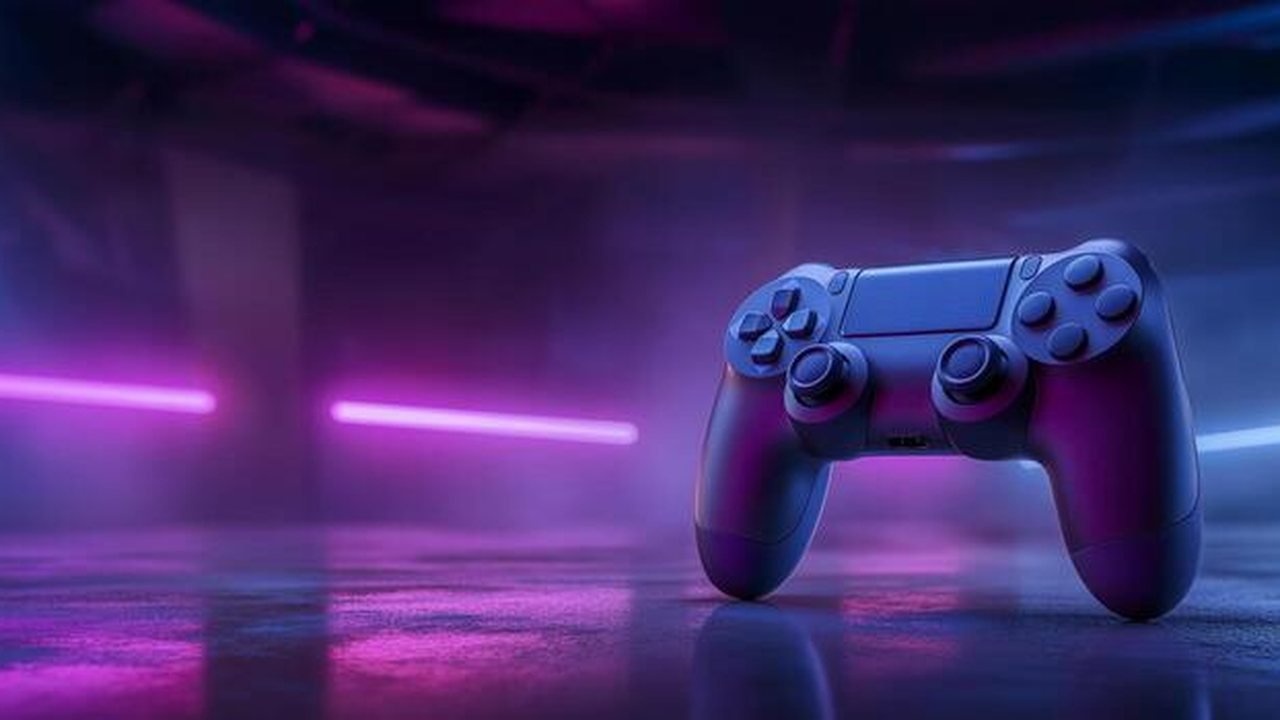
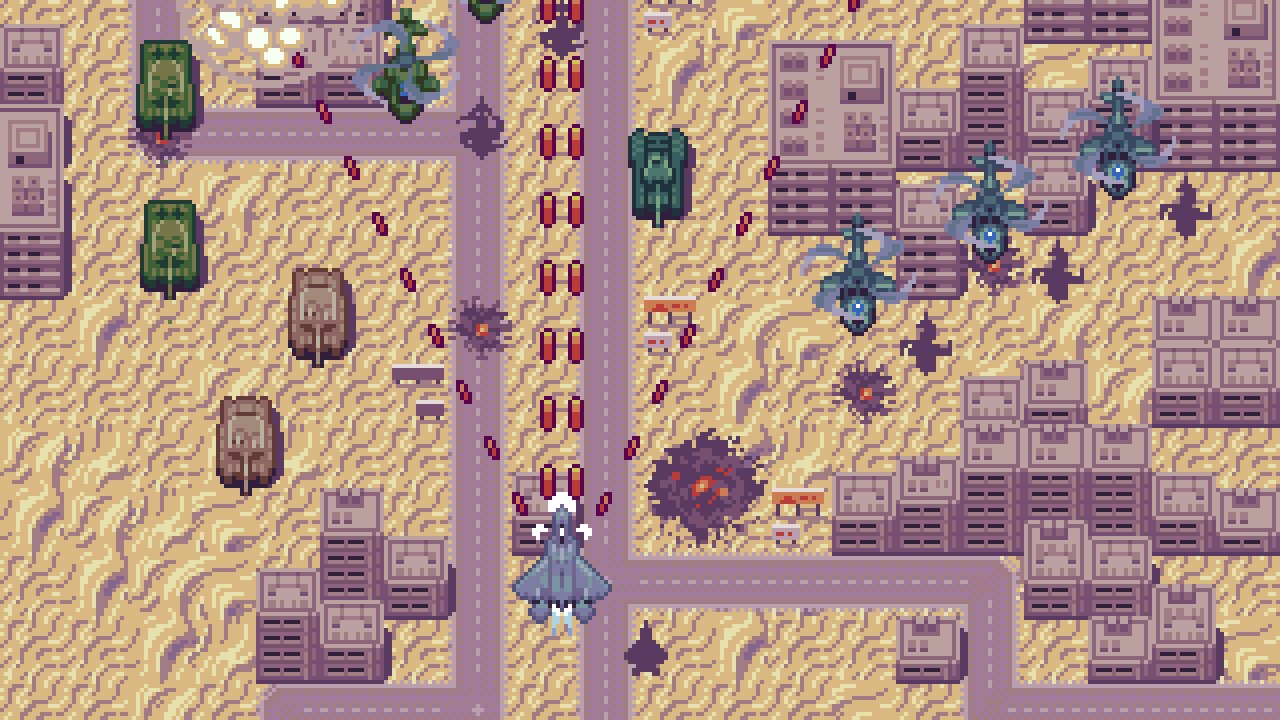
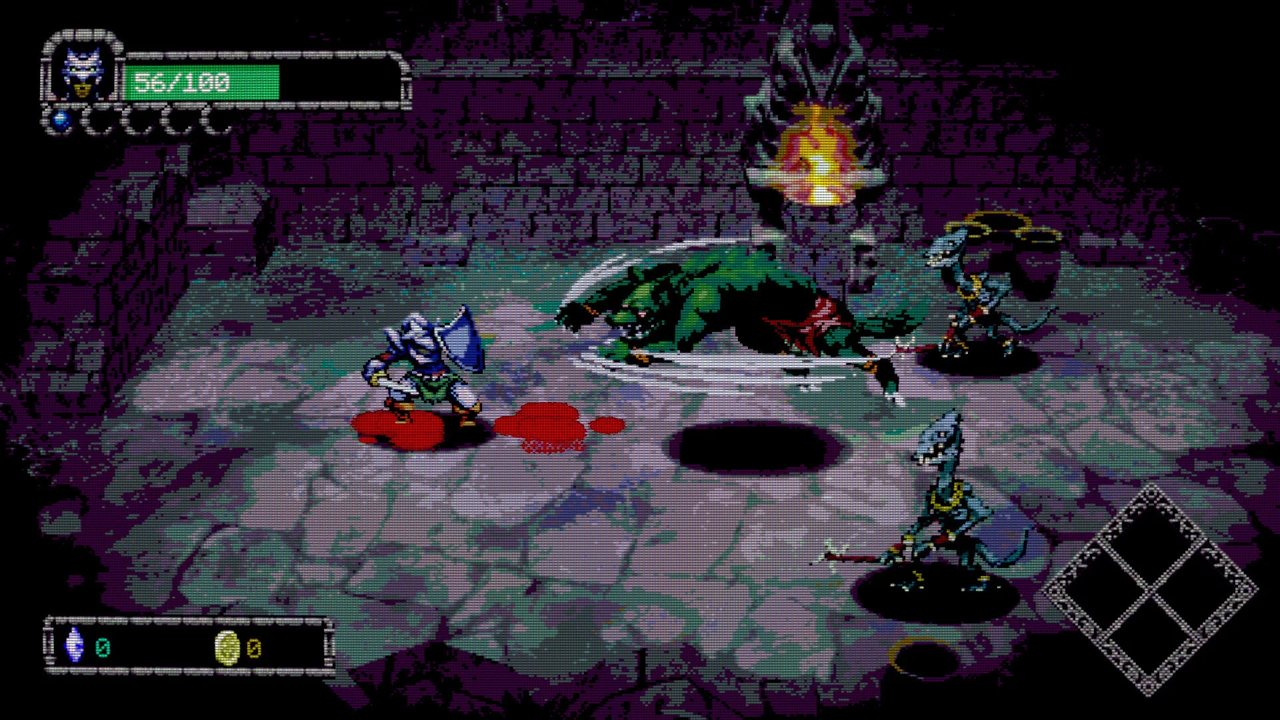
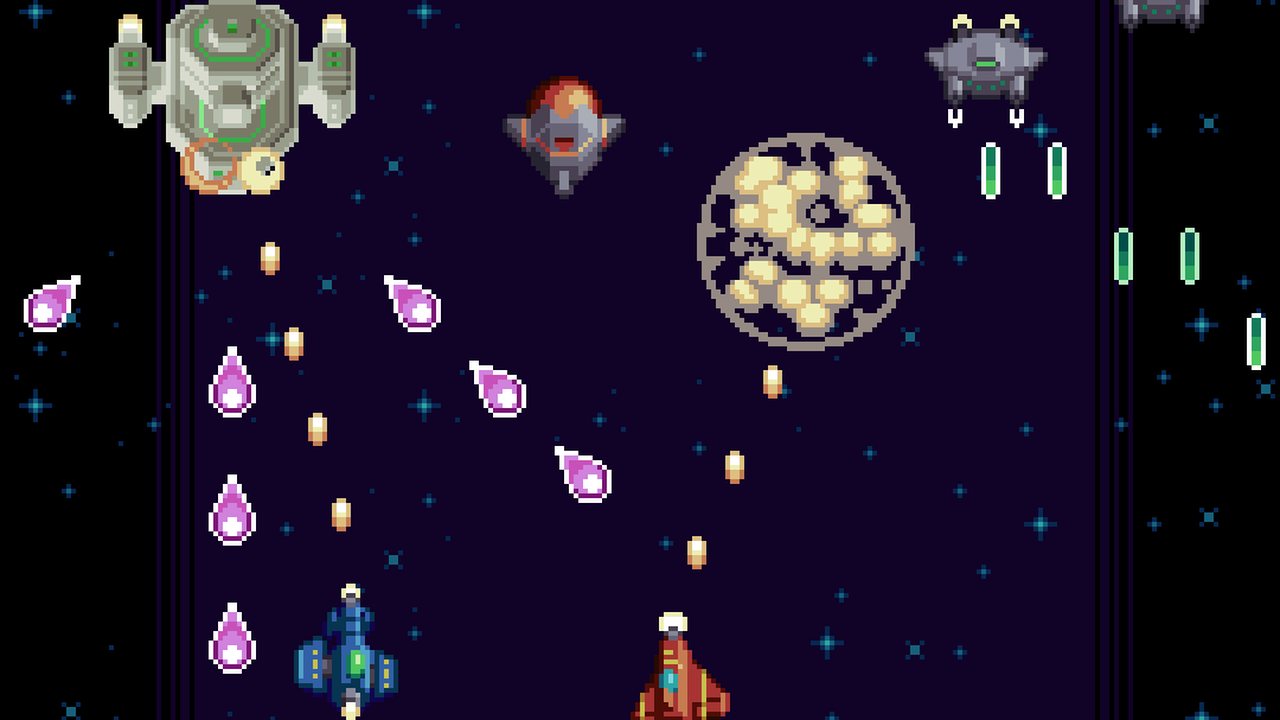
Bright pixels, bold silhouettes, hand-painted worlds — the indie visual language is instantly readable. Small studios use it deliberately: it is clean, stylish and runs on any hardware.
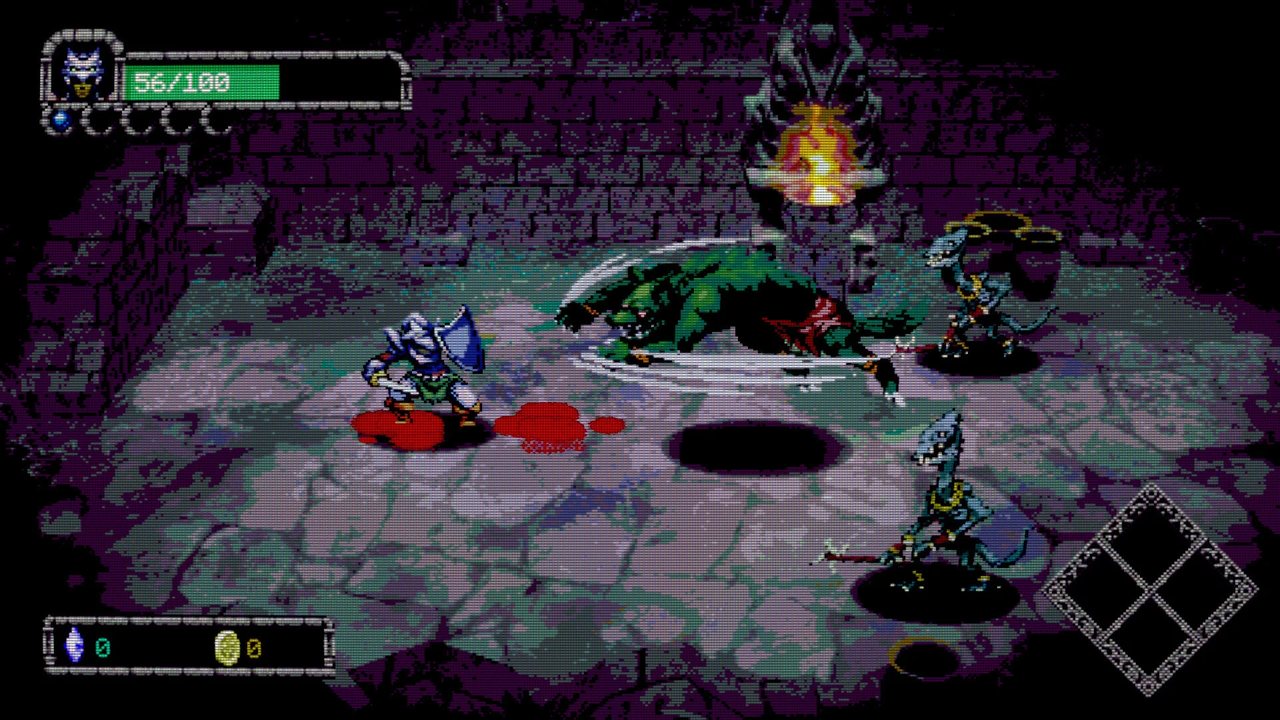
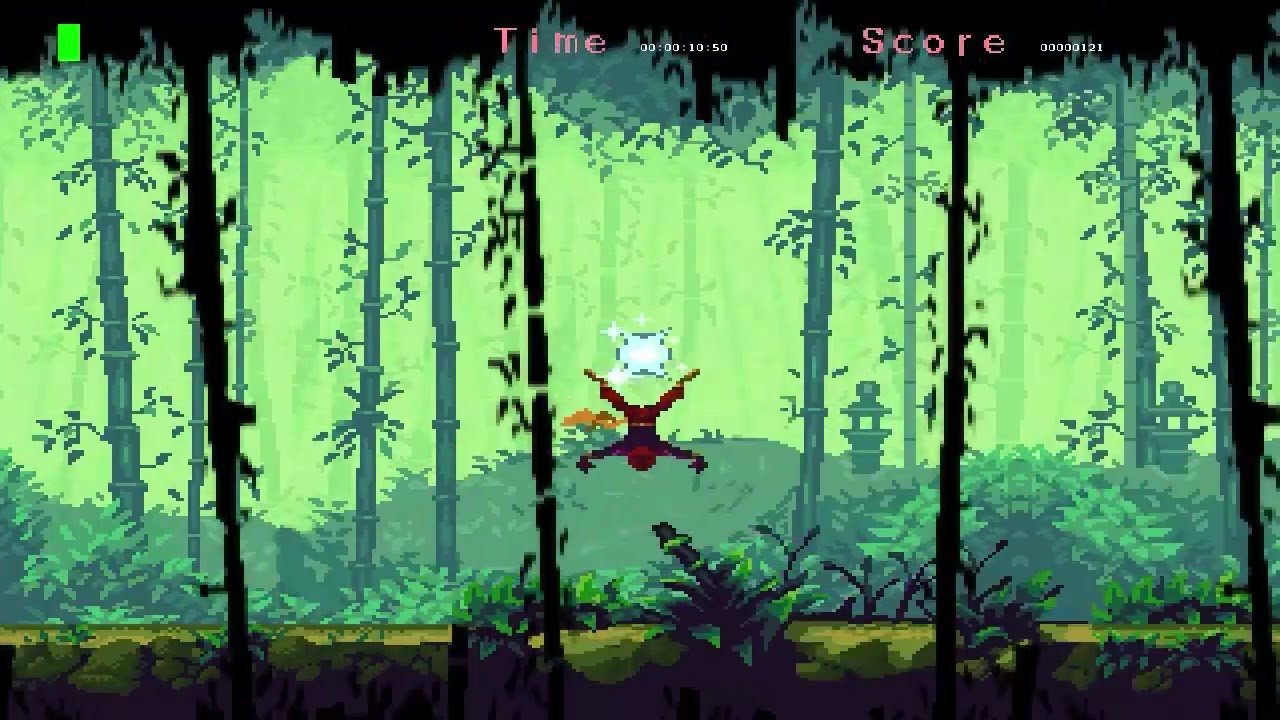
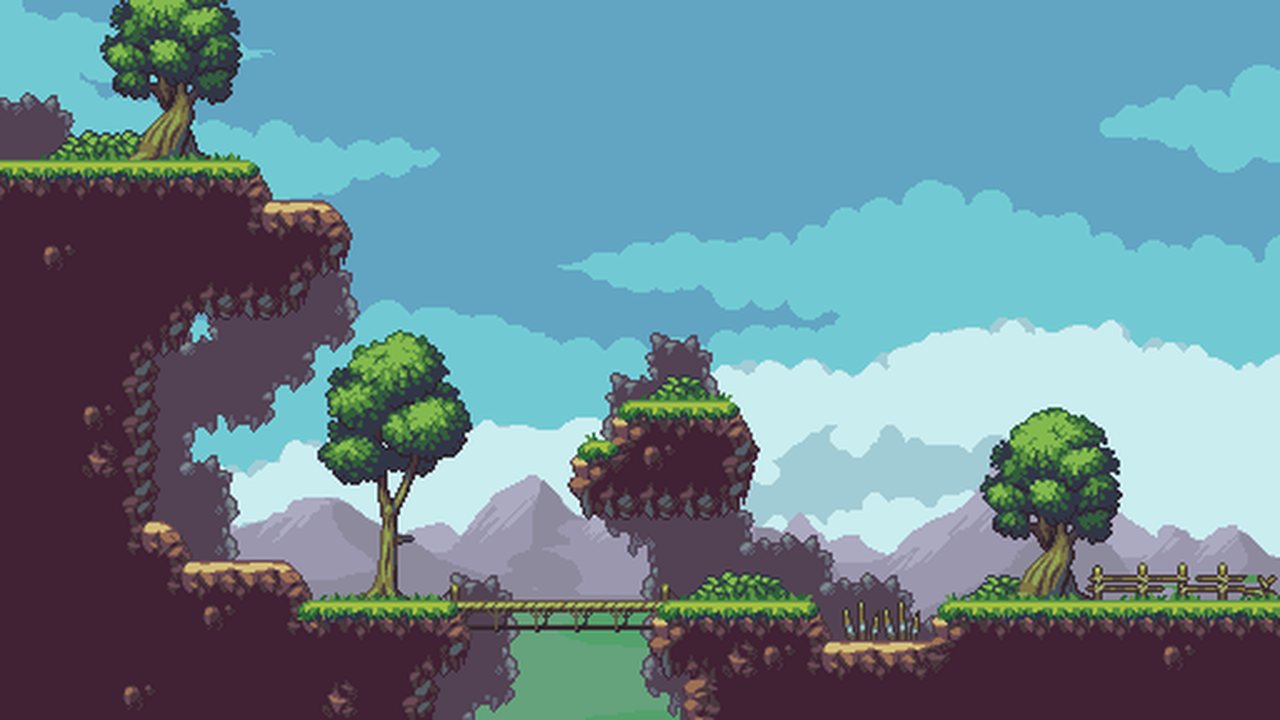
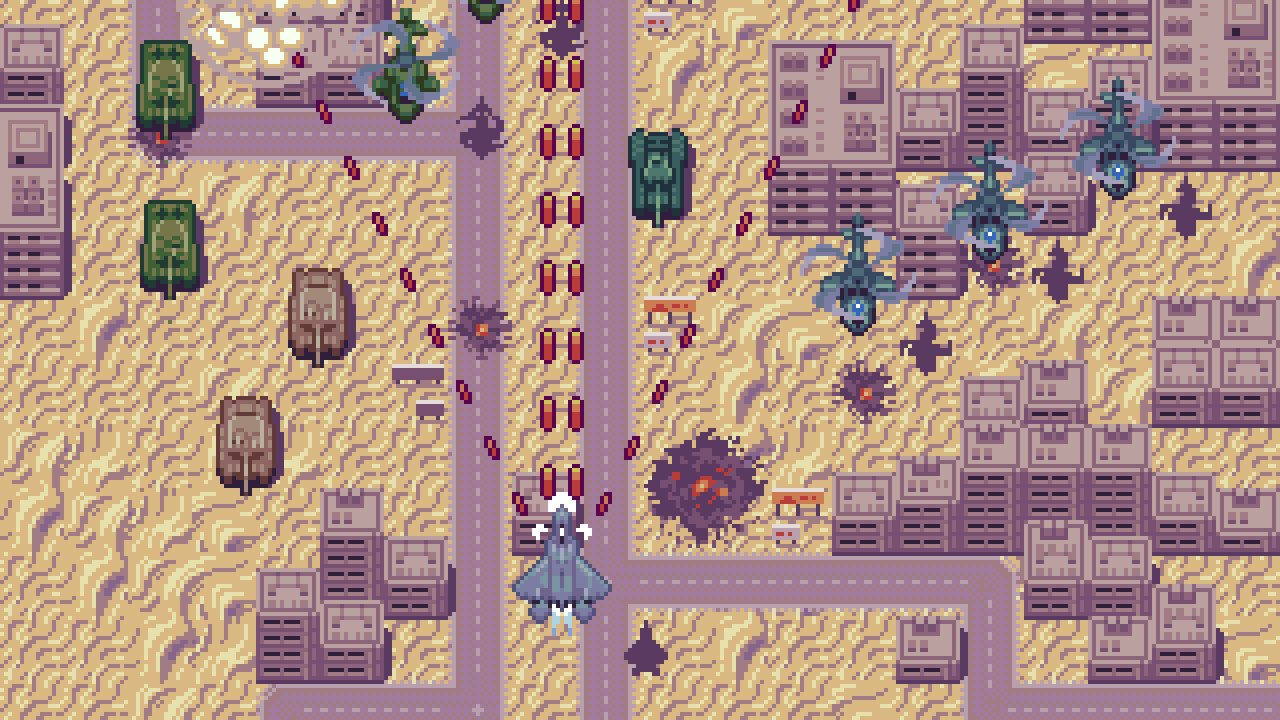
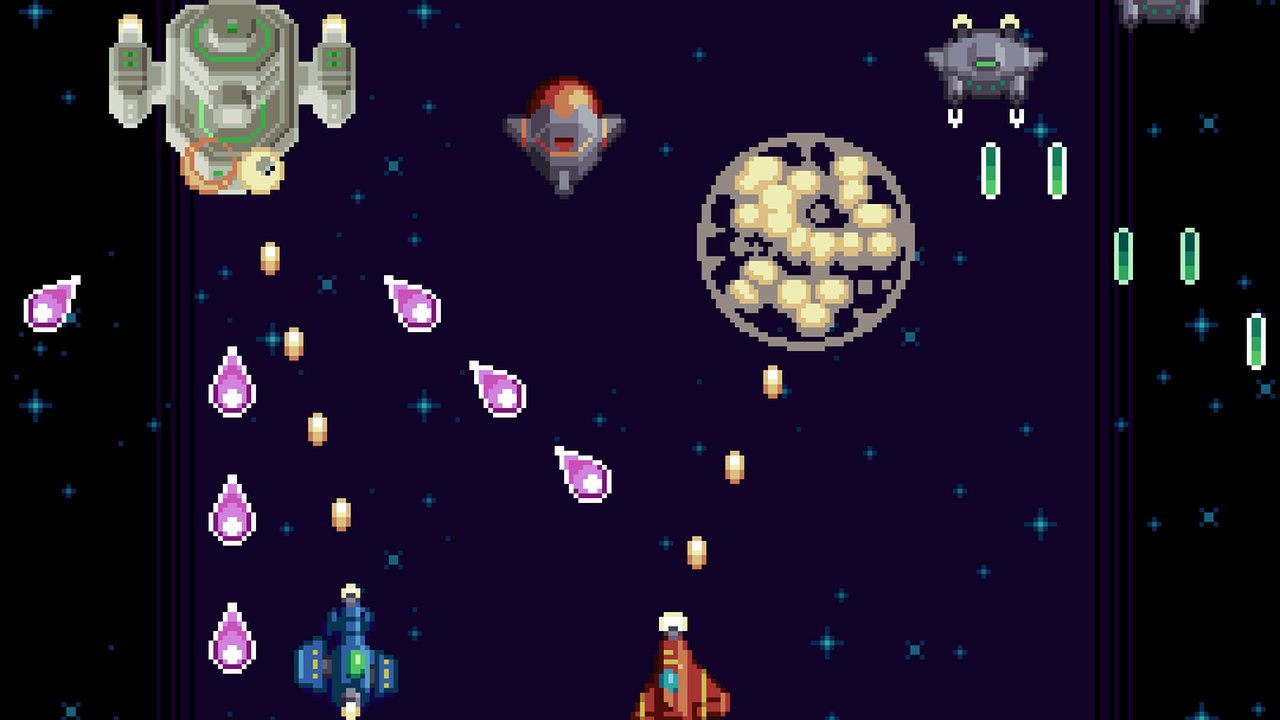
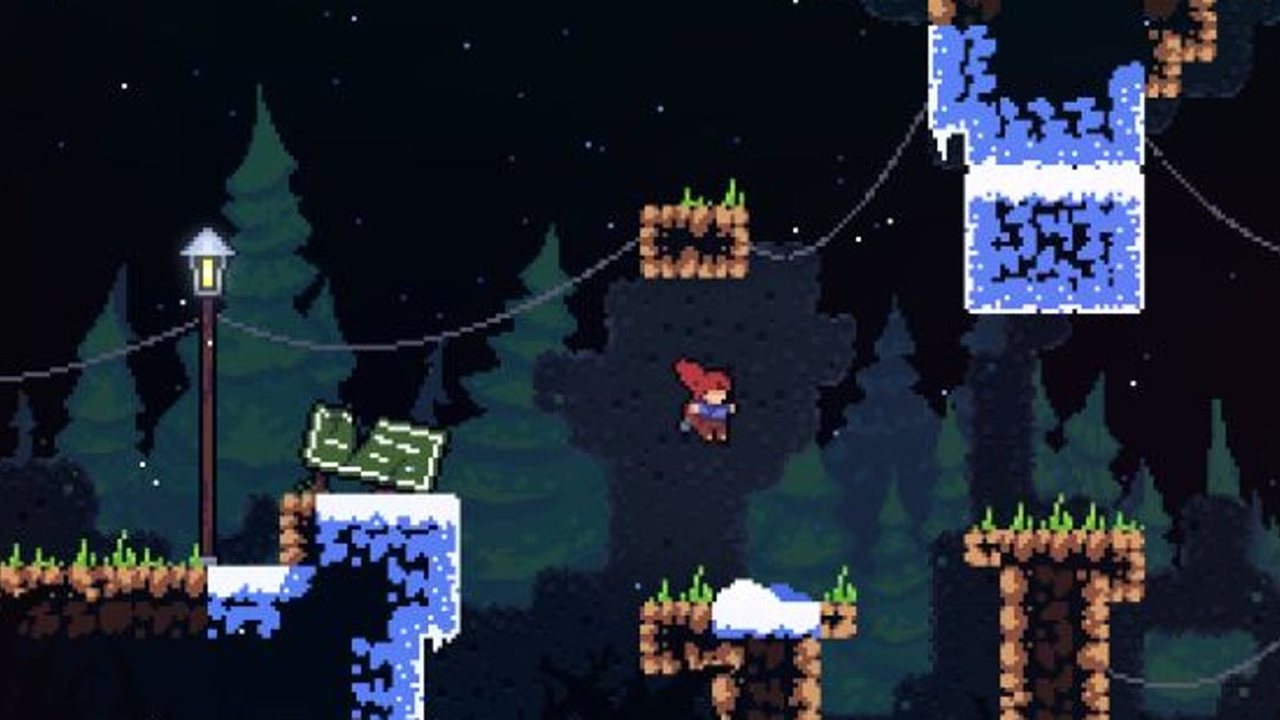
Gameplay captures and hardware shots from the desk.
Four qualities separate a great indie game from a forgettable one. We check each of them in every review.
No tutorials that last longer than the game. The best indie titles teach everything through play, and you are having fun within a minute.
A number and a simple promise: you can do better. Chasing mastery trains focus, patience and deliberate practice.
No artificial timers, no paid shortcuts. Good design respects the player: skill is the only currency that matters here.
Great indie games are social by nature — passing a controller, comparing runs, crowding around one screen. They turn strangers into rivals and rivals into friends.
Score scale — 1–10, always explained in text; no decimal inflation
Genres covered — narrative, exploration, automation, roguelite, rhythm, cozy sim
Platforms — PC, Nintendo Switch
Average playtest — 34 hours before the first verdict
Update cadence — a new review roughly every month
Access — every review and guide is free to read
Coverage — skill-based indie games on PC and Nintendo Switch
Corrections — logged publicly, dated, next to the affected review
We measure what matters: how long a game takes to learn, how deep its skill ceiling goes, how a run feels at minute one versus hour twenty. Numbers only make sense with context, so every figure above is tied to a real playtest you can read about in the review itself.
Skill-based play is fast training for the brain: reaction speed, spatial awareness and decision-making under pressure all improve with regular short sessions. Just as importantly, a twenty-minute run is one of the healthiest ways to decompress after work — a clear goal, a clear result, and then you close the game.
Distinct, handcrafted design is not a nostalgia bubble — it is the fastest-growing corner of indie development. Pixel art, chiptune sound and score-chasing loops power modern hits, and festivals bring players together around the games they love.
Beyond entertainment, game-design principles are used in education (gamified learning), physical rehabilitation (reaction training), game-design courses, museum exhibitions and competitive e-sports history. The genre is a living textbook of game design.
Reviews describe flaws first. If a game is broken at launch, our score says so — even when everyone else is excited.
Guides are structured so you can read only the part where you are stuck — nothing more is revealed than that.
Never reviewed on release-day impressions. Verdicts are re-checked after patches, and scores evolve with the game.
Tactical automation · PC · October 5, 2026
A furnace-bright automation puzzler whose heat-pressure model makes failure readable. Fifty-two hours in, we would defend every point.
Exploration mystery · PC, Switch · September 18, 2026
A quiet first-person mystery about listening to a valley that refuses to explain itself. Its final scene is the best we played this year.
Co-op sailing roguelite · PC · August 30, 2026
Superb water physics and a heroic repair loop, wrapped in a roguelite that runs out of ideas one island too late. Bring friends.
Narrative adventure · PC · July 12, 2026
A night-parade adventure that is the shortest game on this page and the one we have thought about most since. Our highest score so far.
Playtime minimums, the finished-main-path rule, and why our scores never go above 9.5.
How to tell a promising work in progress from a permanently unfinished one.
Festival weeks, developer trust networks, and the five-minute rule that filters almost everything.
Skip the hype. Read a playtest-backed review, check the reasoning, and spend your evening on something genuinely worth your time.