Reviews

Six indie games, six finished playthroughs.

Every review below is based on a completed main path, with hours played stated up front. Scores are editorial opinion, argued in the text.

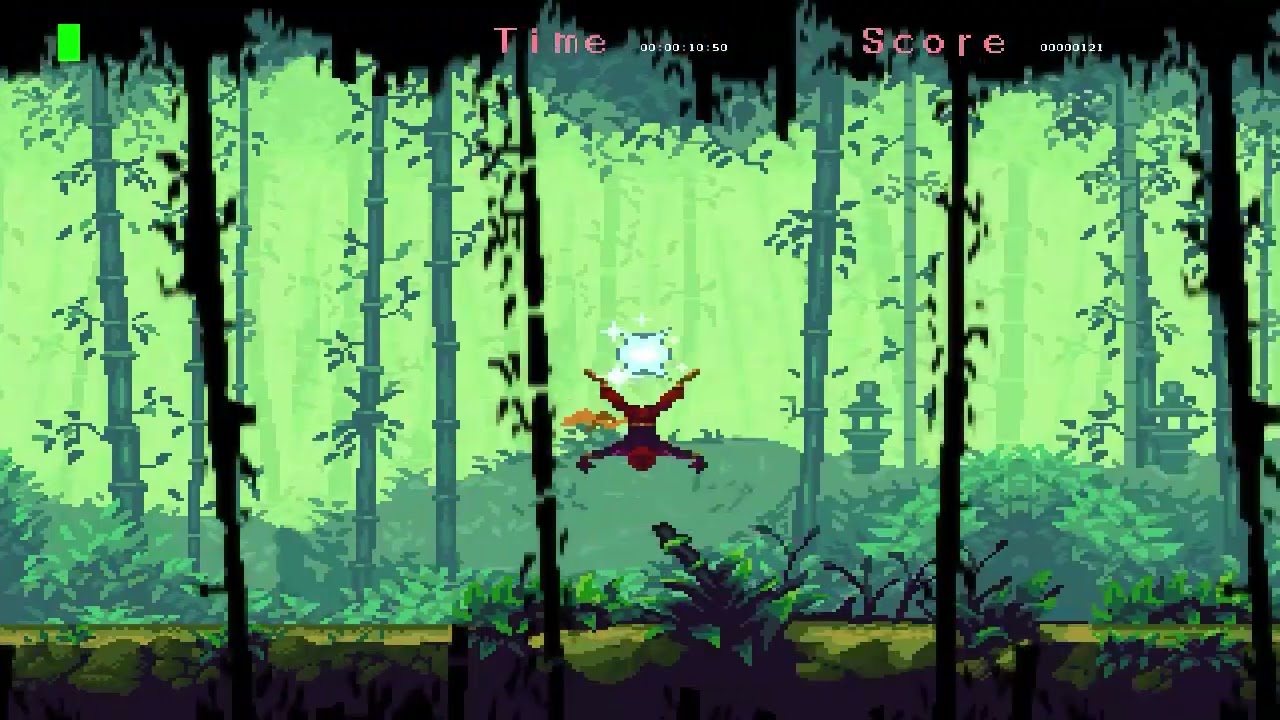
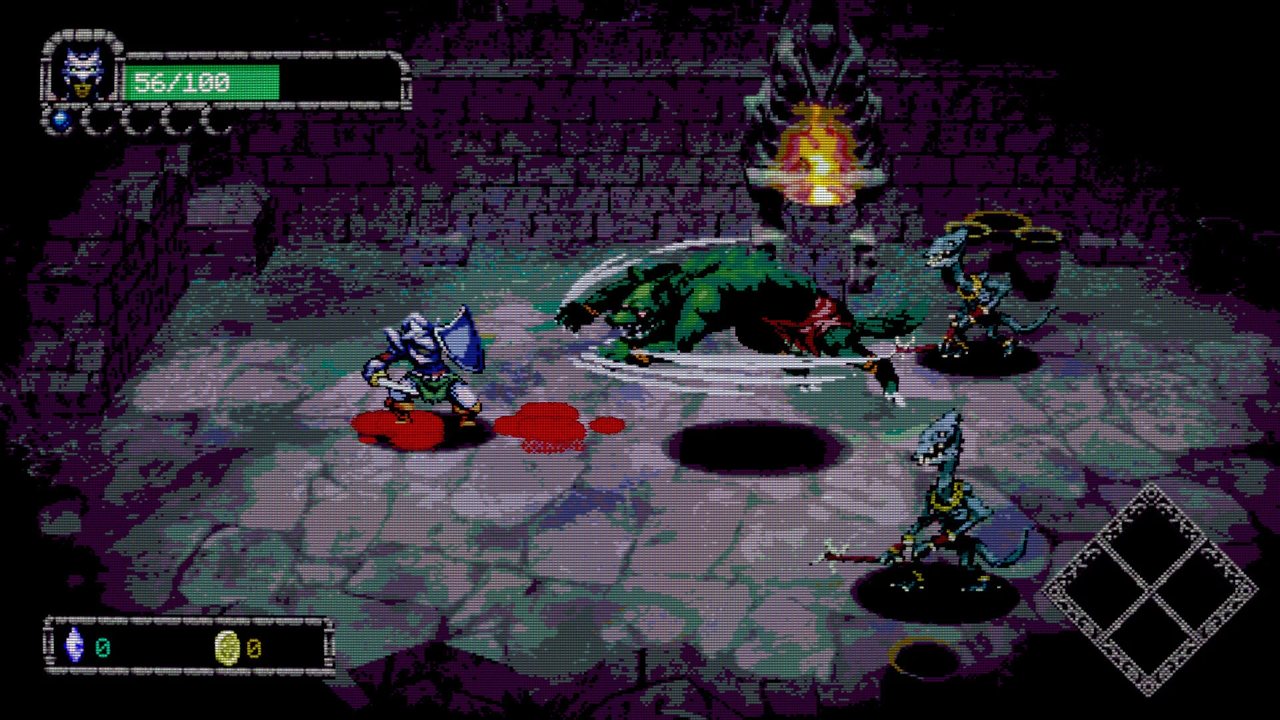
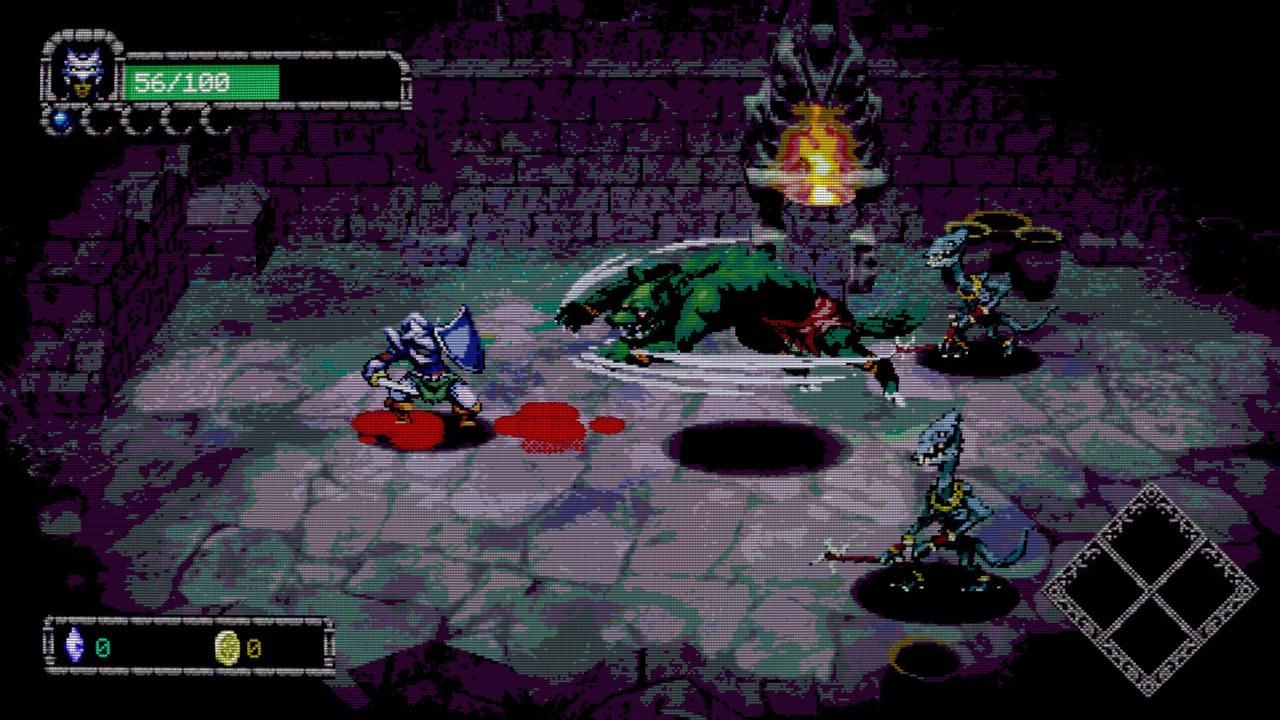
Gameplay screenshot — The Dead Frequency
In-game screenshot — The Dead Frequency: combat in the deep
The Dead Frequency — combat in the deep
Exploration mystery · PC, Switch · released March 14, 2025

The Dead Frequency

Valelight Works has built a mystery that understands silence. You arrive in a mountain valley where a decommissioned radio telescope still broadcasts a station that officially closed in 1989, and the game trusts you to walk, listen and form your own theories for a surprisingly long time before confirming anything at all.

The listening mechanic is the whole game, and it earns that status. Directional audio cues are rendered with a patience rarely seen outside Meadow & Meridian’s quietest scenes; follow a faint carrier tone up a scree slope at dusk and the payoff is never a jump scare, just one more piece of a story that keeps rearranging itself.

Not everything hums. The middle act gates two key locations behind a fetch structure that repeats three times, and the Switch version holds a stable but visibly softer 30 frames. Neither flaw touches the ending, which commits to its ambiguity instead of flinching from it.

Verdict

A slow, confident mystery that treats the player as a collaborator rather than an audience. The 31 hours felt earned, and the final broadcast is the best closing scene we have played this year.
Gameplay screenshot — Tidebreak
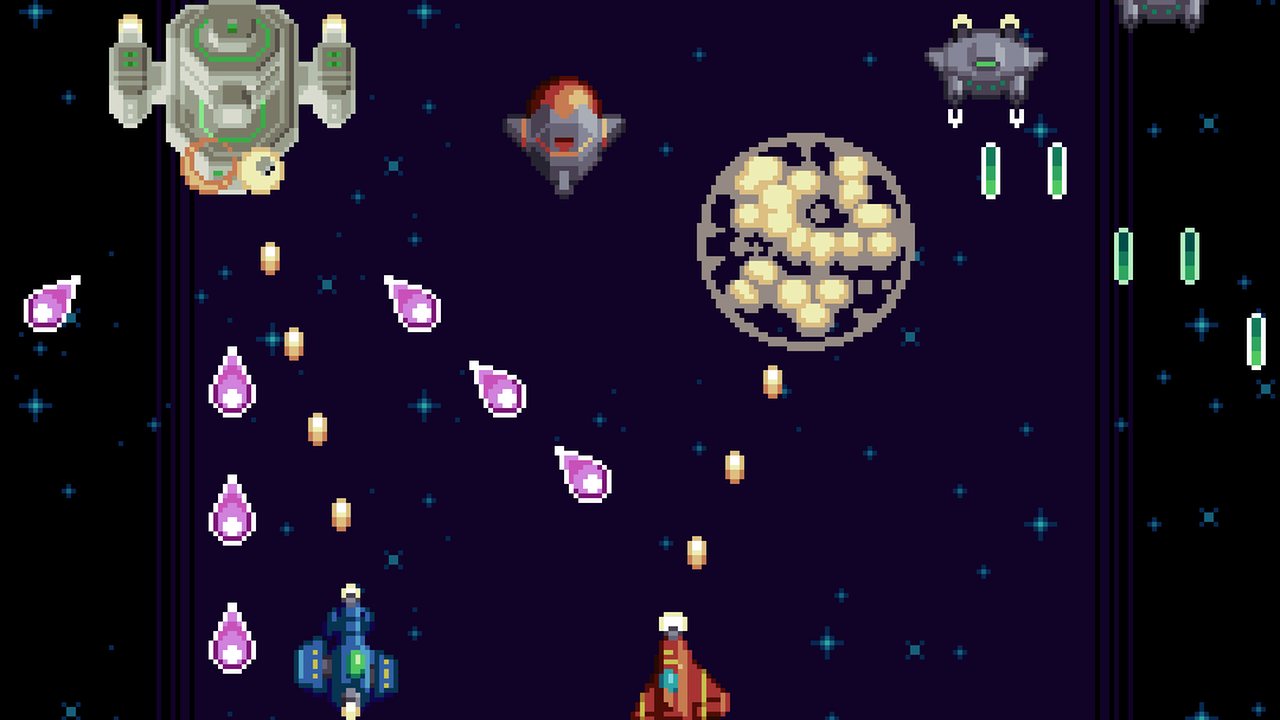
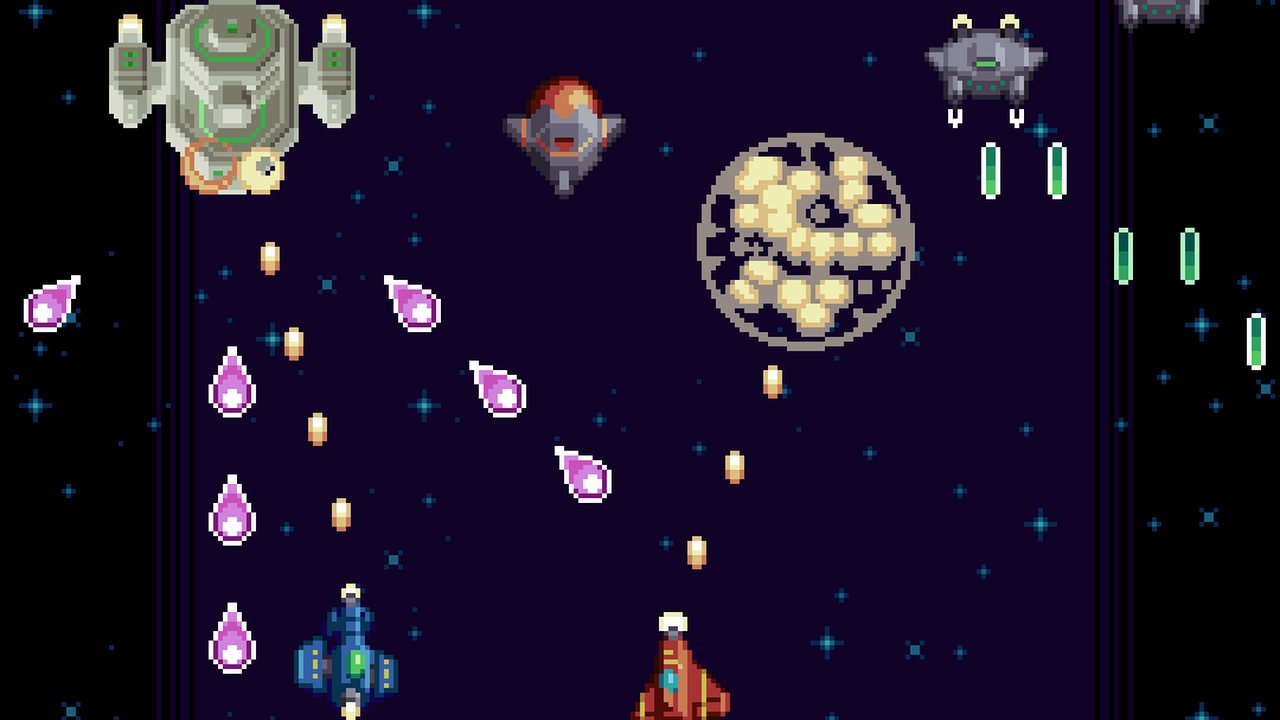
In-game screenshot — Tidebreak: storm run
Tidebreak — storm run
Co-op sailing roguelite · PC · released June 20, 2025

Tidebreak

Saltforge Collective’s co-op roguelite asks a simple question: can your crew of two to four keep a small sailboat alive across a procedurally rude archipelago? For the first fifteen hours the answer is a delighted, profane yes.

What works

Water physics that make every squall a negotiation; a repair loop where holding a hull together with rope feels genuinely heroic; ship upgrades that change decisions, not just numbers.

What wears

Difficulty spikes around the third boss route; solo play exposes thin crew-AI; runs past hour twenty start recycling events.

The late game is where Tidebreak strains. The final chart is balanced for a coordinated crew with voice chat, and the solo experience there is closer to Low Orbit Lullaby’s harshest stages than the friendly voyage the opening promises. Play it with people, forgive its last act, and the water alone justifies the trip.

Verdict

Superb sailing wrapped in a roguelite that runs out of ideas one island too late. Bring friends, stop after the second boss, and it is an easy 7.9.

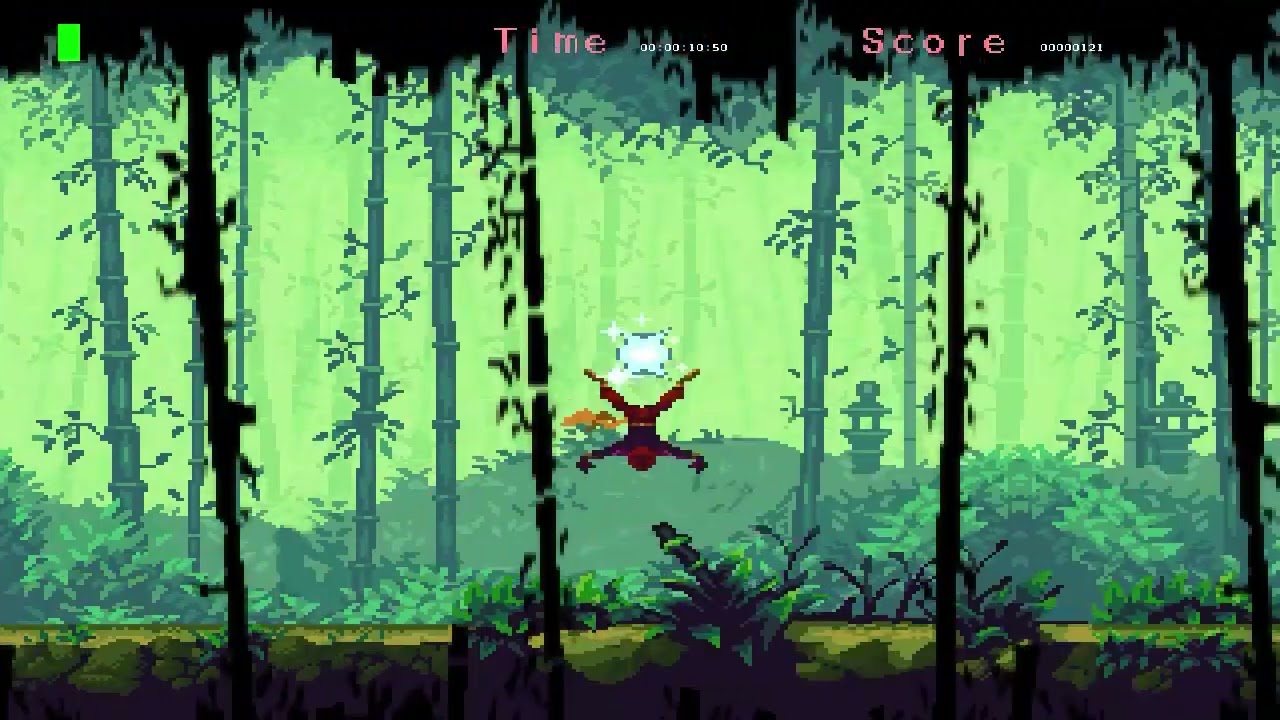
Gameplay screenshot — The Lantern Parade
In-game screenshot — The Lantern Parade: bamboo run
The Lantern Parade — bamboo run
Narrative adventure · PC · released November 8, 2024

The Lantern Parade

The night-parade adventure from Studio Wasureru is the shortest game on this page and the one we have thought about most since finishing it.

You play a lamplighter escorting a festival procession through a city that only exists after dark. Each district speaks in a different visual dialect — indigo rain, copper signage, paper walls that glow from inside — and the writing keeps pace with the art.

Where The Dead Frequency asks you to read a valley of static, The Lantern Parade asks you to read a street of light. The dialogue system is the entire mechanic: what you choose to illuminate changes what the city is willing to tell you, and two of my three playthrough choices still nag at me.

It is not flawless. One chase sequence near the bridge misreads its own tone, and the map forgets to label two alleys you will absolutely need. These are scratches on a lantern, not cracks.

Nine point one. The highest score this desk has given, and the one we would defend longest.

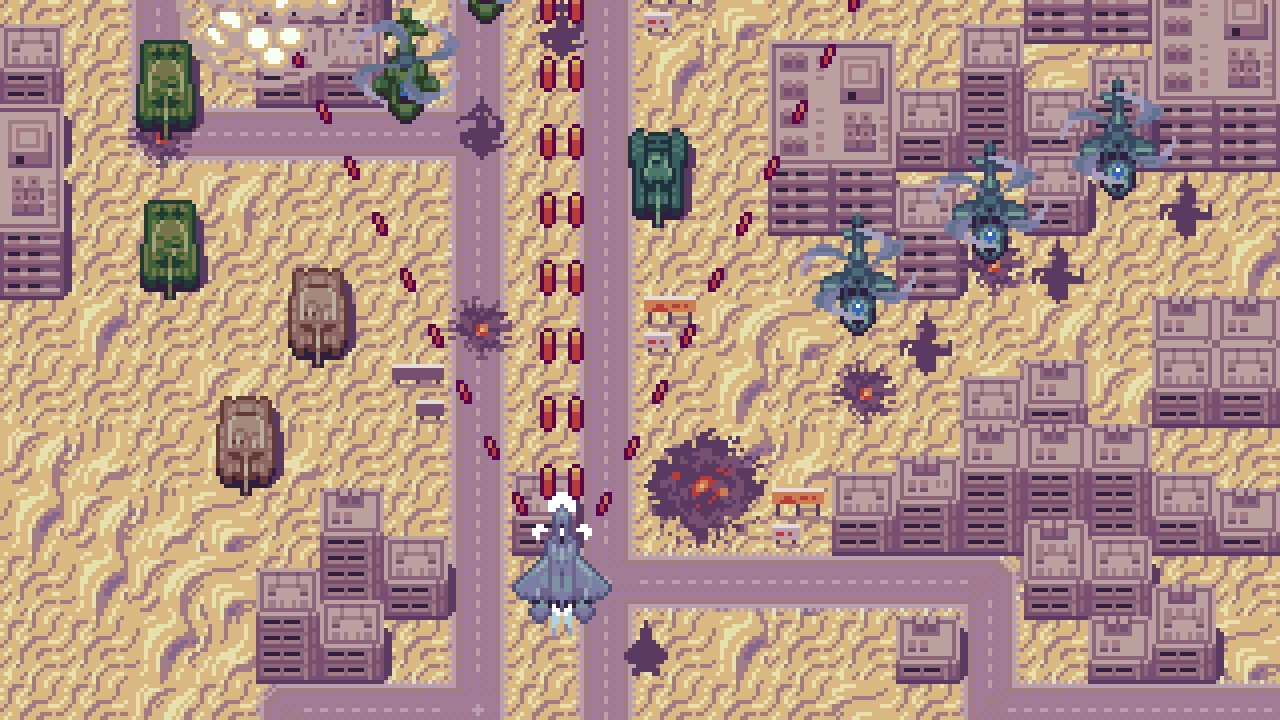
Gameplay screenshot — Cinder Circuit
In-game screenshot — Cinder Circuit: assault run
Cinder Circuit — assault run
Tactical automation · PC · released September 26, 2025

Cinder Circuit

The loop

Bracket & Blaze’s automation puzzler gives you a volcano-adjacent worksite, a fleet of honest little robots, and orders that are always on fire, literally. Route materials, time your rebuilds, and accept that the mountain will periodically erase your proudest conveyor.

The systems

Automation games live or die on readable bottlenecks, and Cinder Circuit’s heat-pressure model is one of the best failure states in the genre: when a plan collapses, you can see exactly which junction lied to you. The tactical layer — defending routes against ash surges — turns spreadsheet anxiety into genuine suspense.

The caveats

Fifty-two hours in, the endgame asks for layouts the camera struggles to frame, and the tutorial understates how punishing the second biome is. New players should live in biome one until the logistics sing.

Verdict

A furnace-bright systems game that respects your time even when it sets your planning on fire. 8.2, with a strong case for higher once the camera patch lands.

Gameplay screenshot — Low Orbit Lullaby
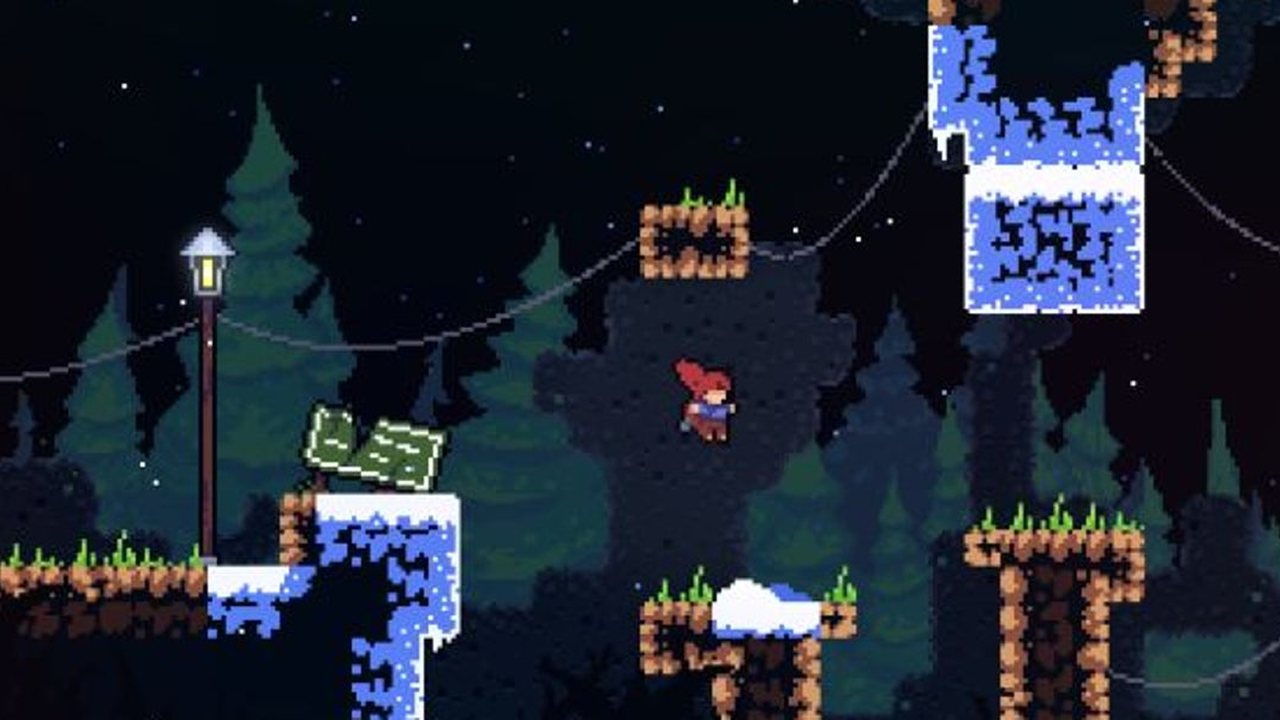
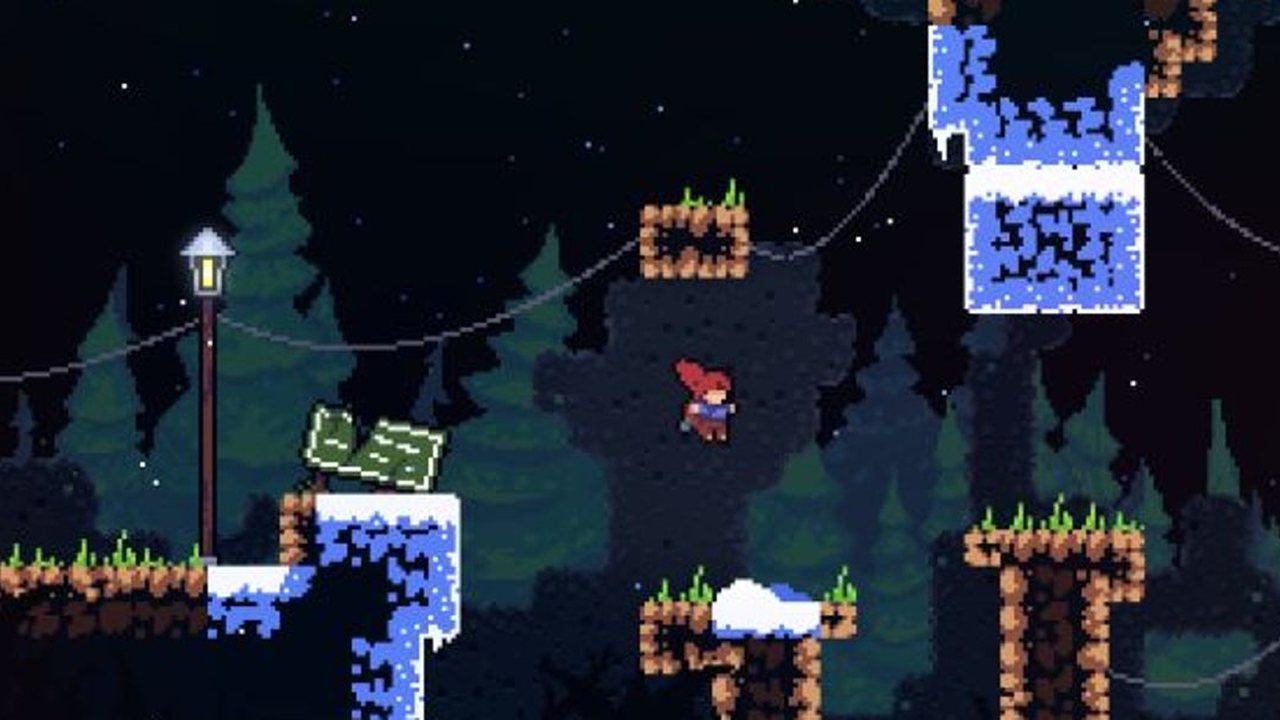
In-game screenshot — Low Orbit Lullaby: night climb
Low Orbit Lullaby — night climb
Rhythm platformer · PC, Switch · released January 30, 2025

Low Orbit Lullaby

Petit Orbit’s rhythm platformer has the best soundtrack on this page and the least forgiving checkpointing. You fall through a derelict station to a synth score that genuinely deserves the word “lullaby”; you will hear the same forty seconds of it many, many times.

On beat, the game is liquid — jumps, dashes and rail grinds lock to the percussion with a satisfying snap. Off beat, usually because a visual cue arrived half a second before the audio, it is a memory test wearing a rhythm game’s clothes. Input latency on the Switch build makes this worse on hardware where it should feel best.

There is a very good 8.5 game inside Low Orbit Lullaby, held back by staging decisions that confuse difficulty with repetition.

Soundtrack: 9.5Feel on PC: 8Checkpoints: 5.5Switch port: 6
Verdict

Buy it on PC, play it in short sessions, and forgive its cruelest rooms. 7.4 with an asterisk we would love to delete.

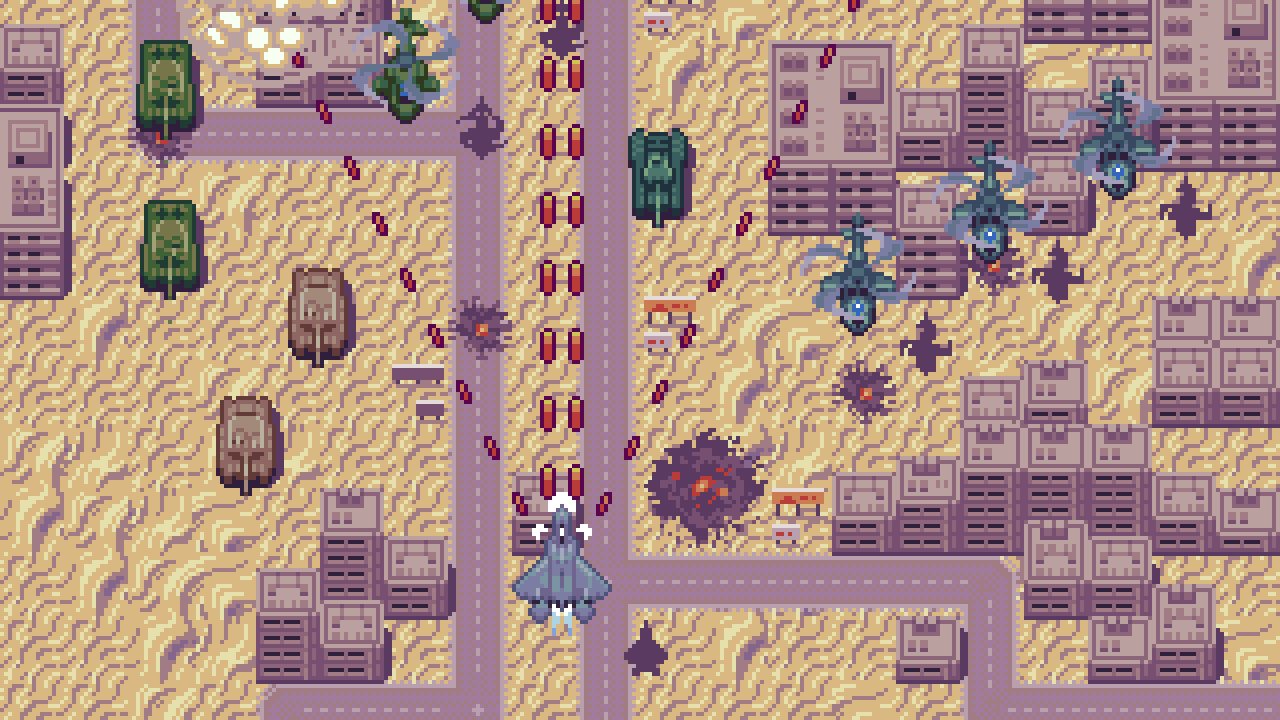
Gameplay screenshot — Meadow and Meridian
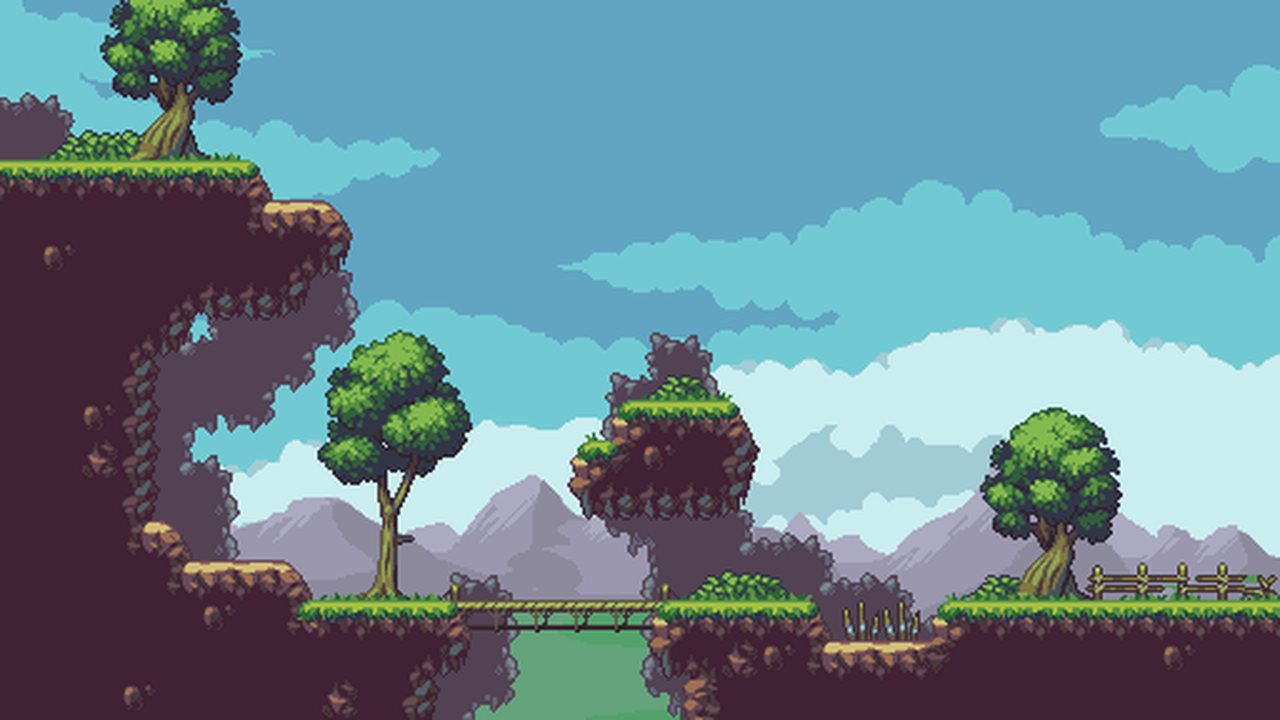
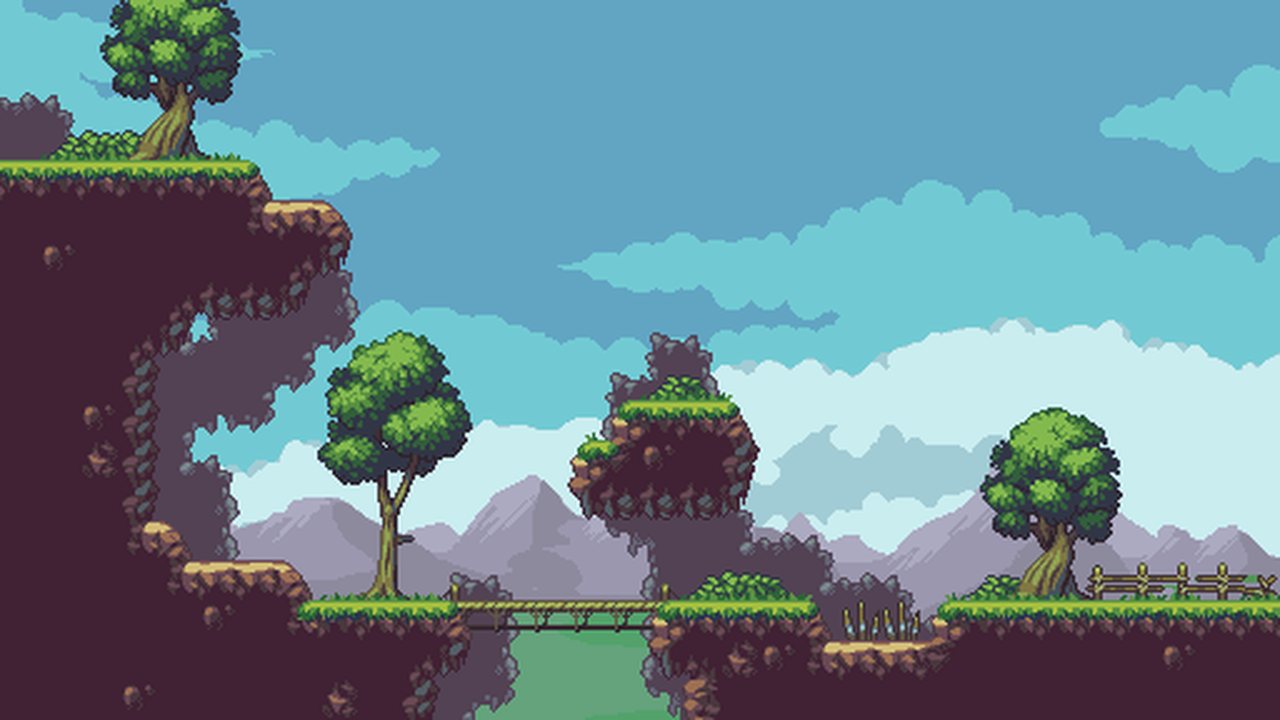
In-game screenshot — Meadow & Meridian: cliffside run
Meadow & Meridian — cliffside run
Cozy farming mystery · PC, Switch · released August 16, 2024

Meadow & Meridian

Tuva Softworks describes this as a farming sim, which is technically true and spiritually misleading. Yes, you tend a terraced valley and yes, the turnips are generous. But the valley is a clock, its crops are a calendar, and the gentle mystery underneath — why the meridian stone stopped casting a shadow — is paced with real confidence.

What elevates Meadow & Meridian above its cozy peers is restraint. The mystery never shouts; it accretes. A villager mentions an eclipse you cannot find in the almanac, a bridge repair unlocks a staircase that should not exist, and by hour twenty you are taking soil notes like a detective. The same patience The Dead Frequency shows with audio, Tuva shows with daylight.

The farming itself is tuned a touch too safe — money is never a problem, and the weather system flatters more than it threatens. If you want hardship, look to Tidebreak; this valley wants you to stay.

Thirty-six hours passed quickly, the ending landed, and the post-credits season gave us another eleven without noticing. A warm, precise 8.8.

Scores use the Elvarendritop baseline described in our methodology guide. Playtimes are measured on the reviewer’s own save files.

We use a single local storage key to remember this notice. No tracking, no third-party cookies. Cookie Policy